

JOIN THE PAWFECT JOURNEY NEWSLETTER
Get our best pet care tips, product picks, and deals sent straight to your inbox. It is free.
Subscribe FreeCan birds eat pumpkin seeds? Yes. Pumpkin seeds are safe and nutritious for most birds when they are served plain, unsalted, and in moderation. Whether you keep a pet parrot or fill a feeder for the wild birds in your yard, pumpkin seeds make a healthy occasional treat packed with useful minerals. The key is knowing how to prepare them and how much to offer, because too many fatty seeds can throw off a bird’s balanced diet.
Can Birds Eat Pumpkin Seeds? The Short Answer
Yes, birds can eat pumpkin seeds, and many of them love the taste. Pet birds like parrots, cockatiels, and budgies can enjoy a few seeds as a treat, and wild garden birds will happily pick them from a feeder or the ground. The only firm rules are simple: keep the seeds plain with no salt or seasoning, and treat them as a snack rather than a main meal.
RELATED: 10 Foods You Should Never Feed Your Pet Bird
Are Pumpkin Seeds Good for Birds?
Pumpkin seeds are more than just a tasty snack. They are a natural source of several minerals and healthy fats that support a bird’s energy, feathers, and overall wellbeing. A few pumpkin seeds deliver a small nutritional boost that complements a balanced diet.
Pumpkin seeds offer birds:
- Essential minerals like zinc, magnesium, potassium, and iron, which support the immune system and healthy feathers.
- Healthy fats that provide concentrated energy, especially useful for wild birds heading into colder months.
- Antioxidants that help protect cells and keep birds in good condition.
- Protein and fiber that contribute to a well-rounded snack.
Because the fat content is high, these benefits come with a catch. Seeds are best thought of as a treat, not a staple, so the majority of a pet bird’s diet should still come from a quality pelleted food and fresh vegetables.
How to Safely Prepare Pumpkin Seeds for Birds
Preparation is where most feeding mistakes happen. Pumpkin seeds straight from a carving pumpkin are fine, but the seasoned, salted snacks made for people are not. Follow these steps to serve them safely:
- Scoop and rinse. Separate the seeds from the stringy pulp and rinse them clean.
- Skip the salt and seasoning. Birds cannot process the sodium in salted or flavored seeds, so only ever offer plain, unsalted seeds.
- Serve raw or dry-roast unseasoned. Raw seeds are perfectly fine. If you prefer to roast them so they last longer, spread them on a tray and bake at 350 degrees Fahrenheit for 15 to 20 minutes with nothing added.
- Crush them for small birds. Little species such as finches and tits find whole seeds hard to manage, so crush the seeds into smaller pieces about the size of a sunflower heart.
- Store them dry. Keep leftover seeds in a cool, dry place so they do not clump together and grow mold.
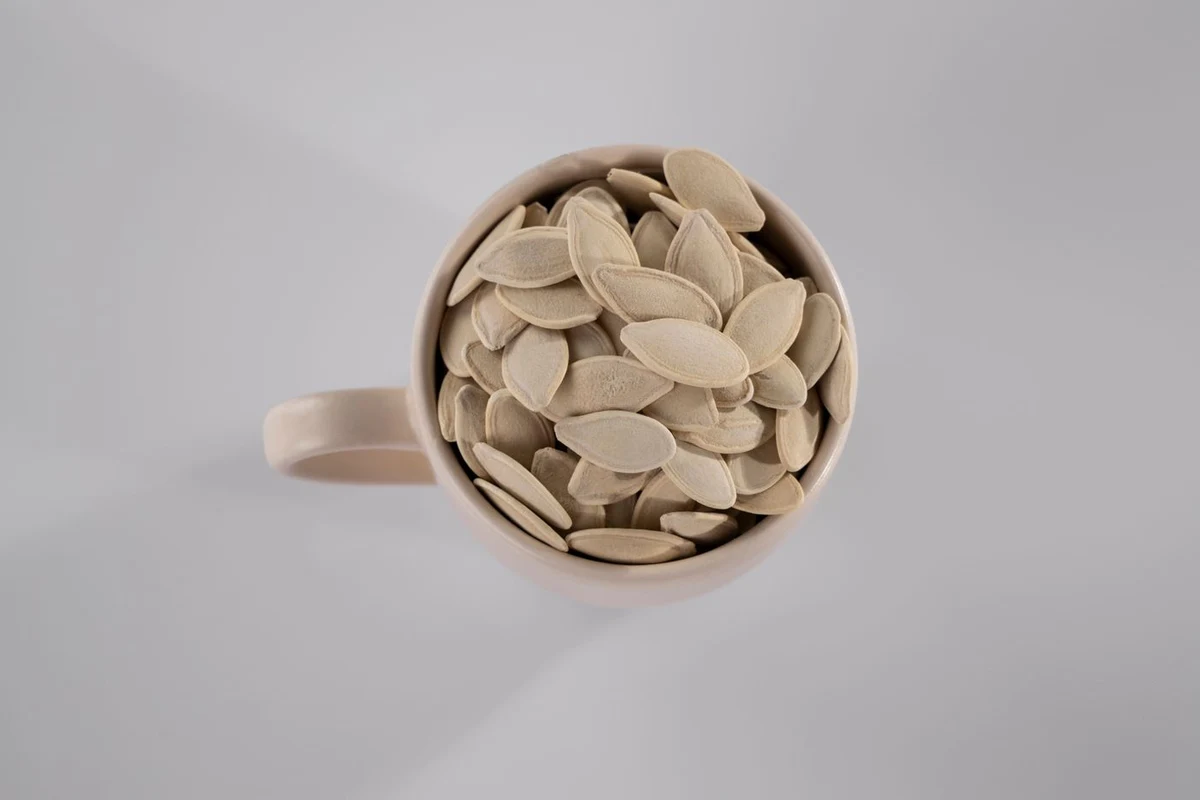
Feeding Pet Birds vs Wild Birds
The same seed works for both a pet parrot and the sparrows in your garden, but the way you serve it differs a little.
Pet Birds (Parrots, Cockatiels, and Budgies)
For pet birds, moderation is everything. A few pumpkin seeds a couple of times a week is plenty. Pumpkin seeds are high in fat and do not carry an ideal calcium to phosphorus ratio, so relying on them too heavily can contribute to weight gain and, over time, skeletal issues like metabolic bone disease. Offer them as an enrichment treat, and let a balanced pellet diet do the heavy lifting.
RELATED: Can Parakeets Eat Bananas?
Wild Garden Birds
Wild birds burn a lot of energy, so the fat in pumpkin seeds is actually a plus for them, particularly in fall and winter. You can scatter plain seeds on the ground, mix them into a seed blend, or set them out in a feeder. Roasting them unsalted helps them keep longer outdoors. Just remember to crush them for smaller visitors so every bird in the yard can join in.
When Pumpkin Seeds Can Be a Problem
Pumpkin seeds are safe, but a few situations turn a good treat into a bad one:
- Salt and seasoning. Salted, buttered, or spiced human snacks can dehydrate and harm birds. Always choose plain.
- Too many, too often. The high fat content adds up quickly, so overfeeding can lead to obesity in pet birds.
- Mold. Damp, clumped seeds can grow mold that is dangerous to birds, so keep them dry and toss anything that looks off.
Keep those three things in check and pumpkin seeds stay firmly in the healthy-treat category. If you are ever unsure whether a new food suits your specific bird, your avian veterinarian is the best person to ask.
RELATED: 99 Bird Name Ideas for Your Chirpy Companion
Frequently Asked Questions
Can birds eat raw pumpkin seeds?
Yes. Raw, plain pumpkin seeds are safe for birds. Rinse off the pulp first, and crush them for smaller species so they are easy to eat.
Can birds eat salted pumpkin seeds?
No. Birds cannot handle the sodium in salted seeds, and salt can dehydrate them. Only ever offer unsalted, unseasoned seeds.
How often can pet birds eat pumpkin seeds?
A few seeds two or three times a week is a good guideline for most pet birds. Because they are high in fat, they should stay an occasional treat rather than a daily food.
Can birds eat pumpkin flesh too?
Yes. The soft flesh of a pumpkin is also safe and nutritious for many birds. Serve it plain and in small amounts alongside their regular diet.
Author

Shopping for your pet on Amazon? New members can sign up for a free trial of Prime for fast free shipping and member-only deals, and cancel anytime.
Sign Up for a Free Trial of Prime


