


Keeping your cat’s litter box clean is one of the most important parts of cat care. Cats are naturally clean animals, and a dirty litter box can quickly lead to odors, stress, or your cat refusing to use it.
While you may not always know exactly when your cat has used the box, following a simple cleaning routine can keep your home fresh and your cat comfortable.
How Often Should You Scoop a Cat’s Litter Box?
You should scoop your cat’s litter box at least once per day. Many cats prefer an even cleaner box, so scooping twice daily is ideal, especially in homes with multiple cats.
Daily scooping helps reduce odors, limits bacteria buildup, prevents litter box avoidance, and lowers stress that can contribute to urinary issues.
RELATED: 13 Automatic Litter Boxes for Your Cat
How Often Should You Change Cat Litter Completely?
How often you change cat litter depends on the type of litter you use.
For clumping litter, scoop daily and replace all litter every 2 to 4 weeks.
For non-clumping litter, scoop solid waste daily and replace all litter at least 1 to 2 times per week. Non-clumping litter absorbs urine, which can settle at the bottom of the box and cause odors if not replaced regularly.
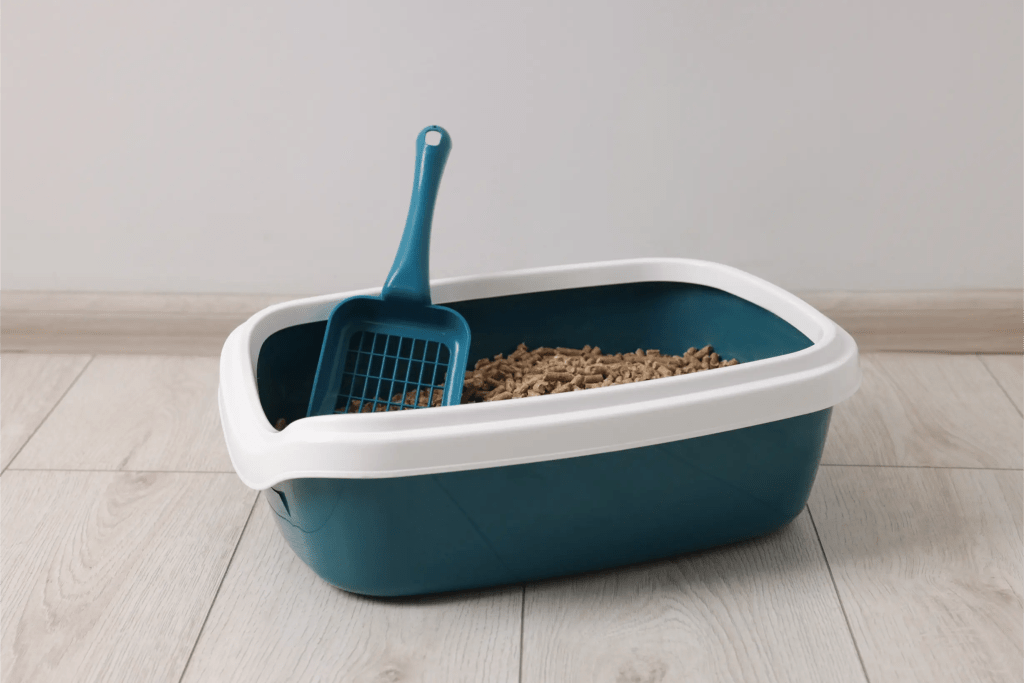
How Often Should You Deep Clean a Litter Box?
A litter box should be deep-cleaned every 1 to 4 weeks.
The exact timing depends on factors like litter type, number of cats, number of litter boxes, and how quickly odors develop.
To deep clean properly, empty all litter, wash the box with warm water and mild unscented soap, and dry it completely before adding fresh litter.
Avoid scented cleaners, ammonia, vinegar, or harsh chemicals. Cats have sensitive noses and may avoid the box if it smells unfamiliar.
How Long Can a Litter Box Go Without Cleaning?
A litter box should never go more than 24 hours without being scooped.
When litter boxes are not cleaned often enough, cats may stop using them, eliminate outside the box, or become stressed. A dirty litter box is one of the most common causes of litter box problems.
Cat Litter Box Cleaning Schedule
| Task | Recommended Frequency | Why It Matters |
|---|---|---|
| Scoop waste | 1 to 2 times daily | Prevents odors and litter box avoidance |
| Add fresh litter | After every scoop | Maintains proper digging depth |
| Stir litter | Every 1 to 2 days | Helps distribute moisture evenly |
| Replace litter clumping | Every 2 to 4 weeks | Controls odor and residue buildup |
| Replace the litter box | 1 to 2 times per week | Removes absorbed urine |
| Deep clean litter box | Every 1 to 4 weeks | Eliminates bacteria and lingering smells |
| Replace litter box | Every 6 to 12 months | Old boxes trap odors |
Best Litter Box Setup for Easier Cleaning
A clean routine starts with proper setup.
Place litter boxes in quiet, accessible areas. Keep at least one litter box per cat. Use unscented clumping litter when possible. Keep boxes uncovered unless your cat strongly prefers a covered one. Maintain about 3 to 4 inches of litter so your cat can dig comfortably.
Extra Tips to Keep Litter Boxes Cleaner
Keep scoops and cleaning supplies near the box to make daily cleaning easier. Use a litter mat to catch tracked litter. Replace litter boxes that continue to smell even after washing. Never flush cat litter down the toilet. Always wash your hands after handling litter.
For odor control, a small amount of baking soda mixed into the litter can help, as long as it is unscented.
A Simple Routine for a Cleaner Box and a Happier Cat
Daily scooping combined with regular deep cleaning keeps your cat comfortable and your home smelling fresh. Cats that trust their litter box are less stressed, less likely to have accidents, and more likely to maintain healthy bathroom habits.
When in doubt, clean more often. Your cat will always prefer a cleaner box.


