


PRIME BIG DEAL DAYS IS OCTOBER 6 TO 7
Prime members get the sale prices, plus fast free shipping on food, litter, and pet gear. New to Prime? Try it free.
Start Your Free Prime TrialIf you’re enjoying some calamari and your dog gives you those pleading eyes, you may wonder can dogs eat calamari safely? While this seafood is not inherently harmful, preparation is key to making it a safe treat. Here’s a full guide on how to share calamari safely with your dog, from nutritional benefits to risks and best-serving practices.
Can Dogs Eat Calamari?
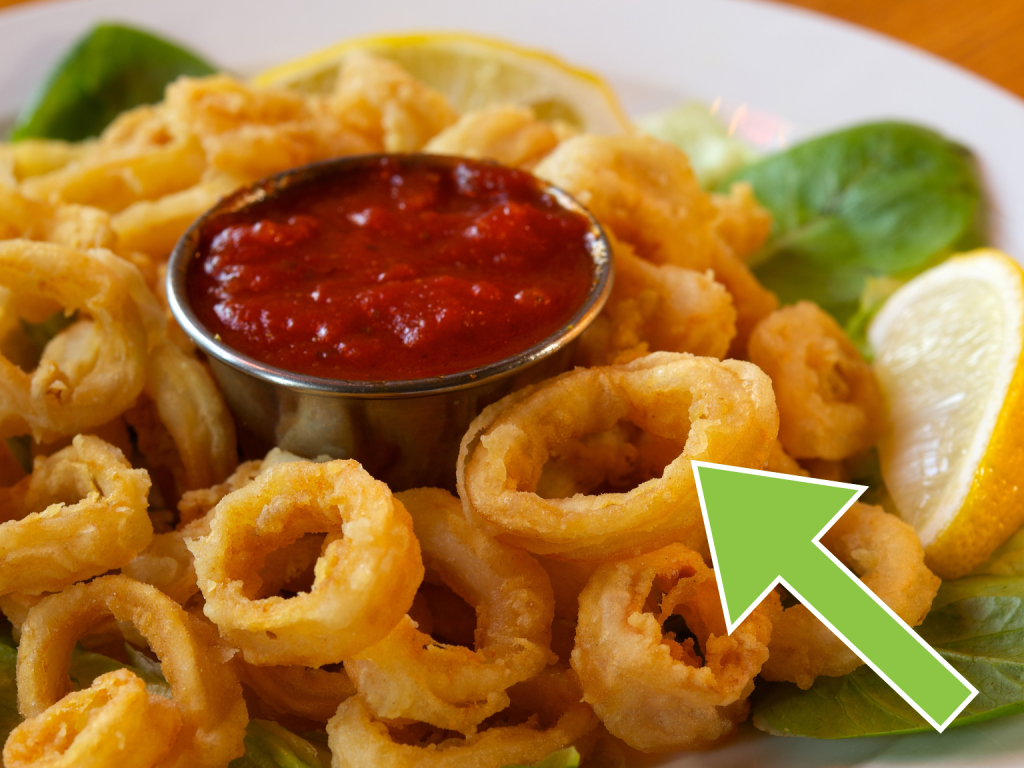
Yes, dogs can eat calamari, but only in small, plain portions and prepared without frying, batter, or heavy seasonings. Fried calamari is high in fats, oils, and salt, leading to digestive issues, weight gain, and even pancreatitis in dogs. If you’d like to share, offer a small piece of plain, steamed, or boiled calamari instead. This preparation keeps it low in fat and avoids ingredients that could harm your dog.
RELATED: Can Dogs Eat Shrimp
Nutritional Benefits of Calamari for Dogs
While calamari isn’t essential in a dog’s diet, it can offer some benefits when given in moderation:
- Protein Boost: Calamari is rich in protein, which helps maintain muscle mass and provides energy. However, it should only be a minor supplement to a dog’s protein intake, as commercial dog foods already supply their primary protein needs.
- Omega-3 Fatty Acids: Calamari contains omega-3 fatty acids, which can benefit your dog’s heart health, joint mobility, and brain function. Omega-3s also help reduce inflammation, which may aid older dogs with arthritis.
- Essential Minerals: Steamed or boiled calamari provides minerals like copper, phosphorus, and magnesium, all of which are beneficial in small amounts. Copper, for example, aids red blood cell production, while phosphorus supports bone health.
RELATED: Can Dogs Eat Jello
Health Risks of Feeding Calamari to Dogs
Despite its nutritional benefits, calamari poses risks if not prepared carefully or if fed too frequently. Here’s what to consider:
- High Fat Content: Fried calamari has a high-fat content, which can lead to rapid weight gain and puts your dog at risk of obesity and pancreatitis. Steamed or boiled calamari without added fats is a better option.
- Sodium and Seasonings: Many fried calamari dishes contain salt, spices, and other seasonings that can be toxic to dogs. Excess salt may lead to sodium poisoning, with symptoms such as vomiting, diarrhea, and lethargy.
- Mercury Exposure: While calamari is generally low in mercury compared to other seafood, feeding it in large quantities or too often could expose your dog to mercury and other heavy metals, affecting their neurological health over time.
- Allergic Reactions: Some dogs may have a seafood allergy, and calamari can trigger reactions like itching, hives, vomiting, or digestive upset. If introducing it to your dog’s diet for the first time, start with a small piece and monitor for any adverse reactions.
RELATED: Best Dog Toys for High Energy Dogs
How to Safely Prepare Calamari for Dogs
If you want to give your dog calamari, follow these preparation tips to keep it safe and healthy:
- Choose Plain, Fresh Calamari: Avoid processed calamari that may contain additives or preservatives. Use plain, fresh calamari for the best nutritional profile.
- Steam or Boil Only: Stick to steaming or boiling calamari, which retains nutrients without adding fat or salt. Avoid any batter, breading, or frying.
- Serve in Small Portions: Offer only a small piece, roughly the size of a bite or two. Treats should only make up 5–10% of your dog’s daily calorie intake to avoid interfering with their regular diet.
Signs of an Adverse Reaction
If you decide to share calamari with your dog, watch for any signs of digestive or allergic reactions, including:
- Vomiting or diarrhea
- Excessive scratching or hives
- Swelling around the face or mouth
- Lethargy or signs of discomfort
If your dog shows any of these symptoms, stop feeding calamari immediately and consult your veterinarian.
Healthier Alternatives to Calamari for Dogs
If you’re looking for a seafood treat that’s safer and easier to digest, consider these dog-friendly options:
- Cooked Salmon or Tuna: Rich in omega-3 fatty acids, cooked salmon or tuna can offer similar nutritional benefits without the risks associated with fried or battered foods.
- Boiled Shrimp: Shrimp is a lean source of protein and is safe when boiled and given in moderation.
- Green-Lipped Mussels: These are rich in omega-3s and antioxidants, making them excellent for joint health in older dogs.
RELATED: Dog Houses for Every Type of Pup
Is Calamari a Good Treat for Dogs?
While calamari can be safe for dogs in small, plain portions, it’s best to limit this seafood to an occasional treat. Fried, battered, or seasoned calamari poses health risks due to its high fat and salt content, which can lead to obesity, digestive upset, and even pancreatitis.
For a healthier alternative, choose steamed or boiled calamari, and always consult your veterinarian before introducing new foods to your dog’s diet. By keeping servings small and infrequent, you can safely share a bit of seafood without compromising your dog’s health.
Author

Shopping for your pet on Amazon? New members can sign up for a free trial of Prime for fast free shipping and member-only deals, and cancel anytime.
Sign Up for a Free Trial of Prime


