


Training your dog is essential for building a healthy, safe, and enjoyable relationship with your pet. Teaching your dog basic commands creates a more structured environment and reinforces positive behaviors. Below are ten tips to help beginners effectively train their dogs.
1. Start with the Basics
Begin with fundamental commands like “sit,” “stay,” and “come.” These are crucial building blocks for more advanced training. Teaching “sit” is usually the easiest command for beginners to start with, as it forms the basis for many other commands.

2. Use Positive Reinforcement
Positive reinforcement is key to effective training. Reward your dog with treats, toys, or praise when they perform commands correctly. This method encourages them to repeat desired behaviors. It’s important to note that dogs, like people, respond better to rewards than punishments.
RELATED: Best Dog Toys for High Energy Dogs
3. Be Consistent
Consistency in your commands and hand signals is essential for your dog to understand and remember what you want them to do. Use the same words and gestures each time, and make sure all family members follow the same cues to avoid confusion.
4. Keep Training Sessions Short
Dogs, especially young ones, have short attention spans. Aim for training sessions that last around 10 to 15 minutes. This prevents your dog from becoming bored or frustrated, making the process more enjoyable.
RELATED: Dog Names for Music Lovers
5. Train in a Quiet Environment
When starting, choosing a quiet environment with few distractions is best. This helps your dog focus on learning. As they improve, you can gradually introduce more distractions to challenge them and ensure they can perform commands in different situations.

6. Use Hand Signals
Dogs often respond well to visual cues in addition to verbal commands. Pair commands like “sit” and “stay” with a hand gesture to make it easier for your dog to understand what you want.
7. Be Patient
Training takes time and practice. Stay patient and persistent, as your dog might not get it right away. The more you practice, the quicker they’ll learn.
RELATED: Tips to Help Your Dog Lose Weight
8. Practice Every Day
Regular practice helps solidify your dog’s learning. Even spending a few minutes each day reinforcing commands will keep your dog on track and improve their ability to follow your lead.
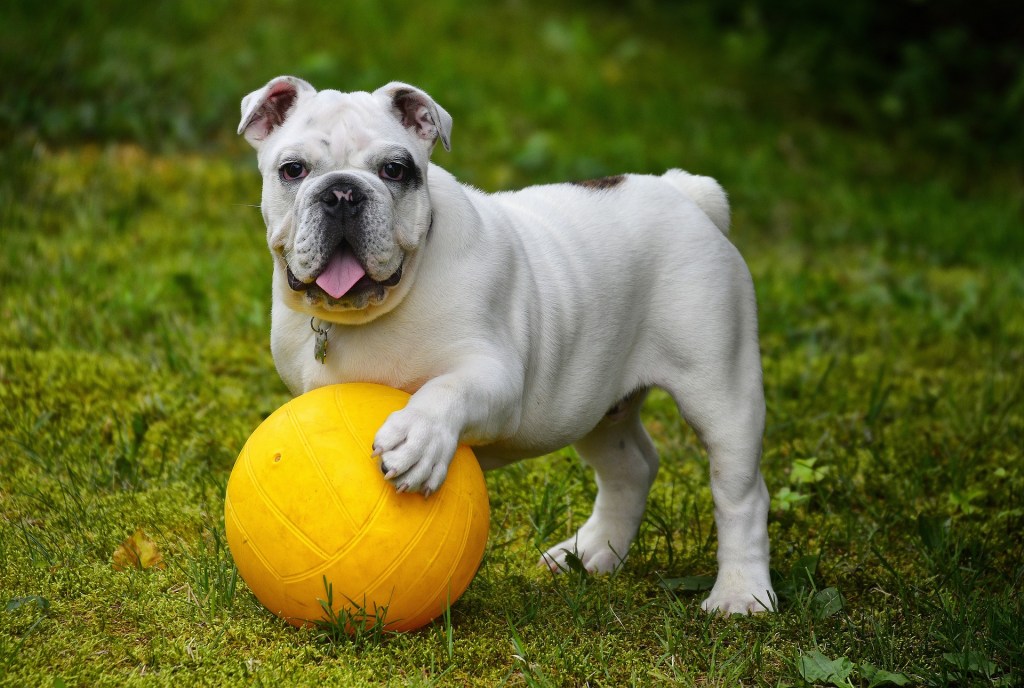
9. Socialize Your Dog
Socialization is crucial for a well-rounded dog. Exposing your dog to various environments, people, and animals helps reduce anxiety and makes them more adaptable.
10. End on a Positive Note
Always conclude training sessions with success. Finish with a command your dog knows well, followed by a reward. This builds their confidence and keeps them motivated for future sessions.
Wrapping Up Your Dog’s Training Journey
Successfully training your dog requires patience, consistency, and positive reinforcement. By following these foundational tips and incorporating daily practice, you’ll create a well-behaved, happy companion who responds to basic commands and enjoys learning new ones. Keep up the training, and enjoy building a stronger bond with your furry friend!


