

PRIME BIG DEAL DAYS IS OCTOBER 6 TO 7
Prime members get the sale prices, plus fast free shipping on food, litter, and pet gear. New to Prime? Try it free.
Start Your Free Prime TrialAre you thinking about adopting a snake? These fascinating reptiles can make unique and rewarding pets but require specific care and commitment. Whether you’re new to reptiles or need a refresher, it’s essential to be well-prepared before bringing a snake into your home. Here are some essential tips to help you get started as a first-time snake owner.
1. Choose Captive-Bred Snakes
When choosing a pet snake, always opt for one that is captive-bred. Wild-caught snakes are more aggressive and at higher risk for diseases and parasites. Captive-bred snakes are generally healthier and more docile, making them a better choice for beginners. Be sure to purchase your snake from a reputable breeder or pet store to ensure you’re getting a healthy animal.
2. Understand Your Pet’s Personality
It’s important to understand that snakes are not like cats or dogs. They don’t form emotional bonds with their owners and typically don’t enjoy being handled. While some species may tolerate handling, most snakes are independent and prefer being alone. Be realistic about what you can expect from your new pet, and don’t expect them to be cuddly or affectionate.
RELATED: Snake Names Inspired by Classic Literature
3. Choose a Beginner-Friendly Snake
Not all snake species are suitable for first-time owners. Some snakes grow extremely large, are more difficult to care for, or can even be dangerous. For beginners, good choices include milk snakes, garter snakes, or California kingsnakes. These species are generally small, easy to care for, and have calm temperaments.

RELATED: Children’s Pythons (Antaresia Childreni): Ultimate Guide
4. Research is Key
As a new snake owner, you’ll face a learning curve. Take the time to research your snake’s specific breed and general snake care. You should be familiar with feeding habits, shedding cycles, signs of illness, and proper habitat setup. The more you know, the better prepared you’ll be to provide your pet with a healthy, enriching life.
5. Estimate the Costs
Owning a snake involves ongoing costs, such as food, veterinary care, and habitat maintenance. Snakes need proper enclosures, heat lamps, thermometers, and sometimes specialized equipment, which can increase your power bill. Make sure you can commit to these costs before adopting a snake.
Sign Up For FREE Pet Tips and More!
Get pet news, tips, tricks, and more delivered right to your inbox.

6. Find a Reptile Veterinarian
Like any other pet, snakes require regular veterinary care to stay healthy. Look for a veterinarian who has experience treating reptiles. It’s important to schedule checkups and be prepared for potential health issues with your pet snake.
7. Check Legal Requirements
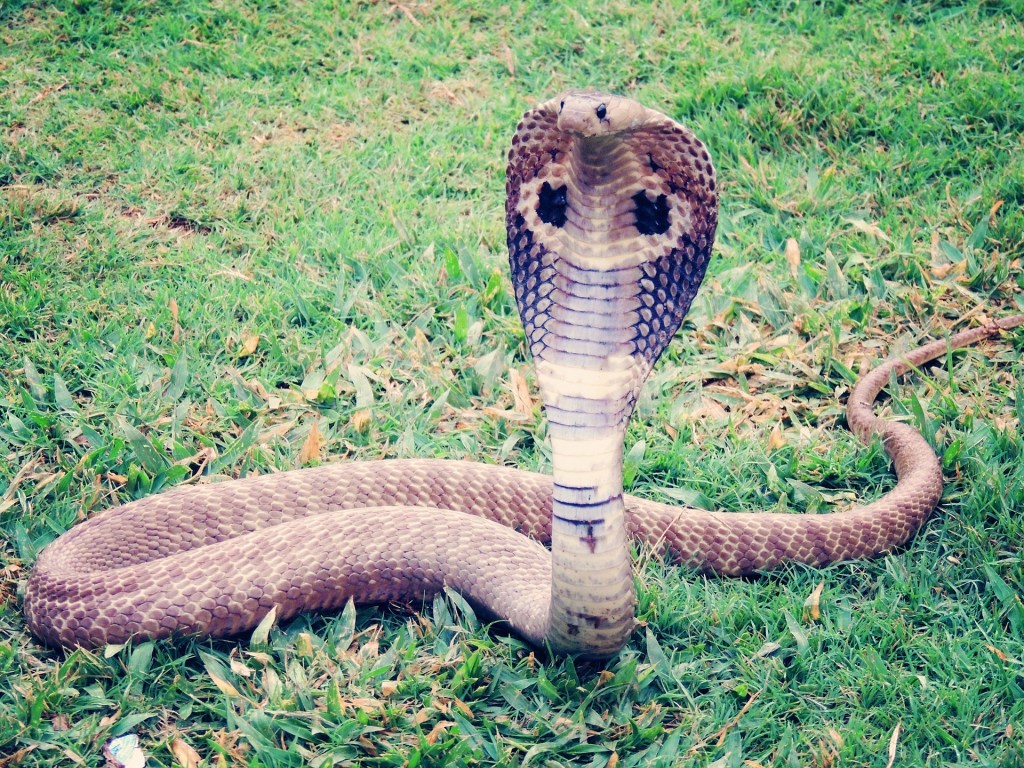
Before you bring a snake home, make sure you know the laws surrounding reptile ownership in your area. Certain species, especially venomous snakes like cobras, are illegal to own in many places. Research local and federal guidelines to ensure you’re allowed to own the type of snake you’re interested in.
8. Create an Escape-Proof Habitat
Snakes are excellent escape artists. It’s crucial to have a secure enclosure that prevents your pet from slithering away unnoticed. Invest in a tank with a locking lid or strong clips to keep it secure. Some owners place heavy objects on top of the tank to add extra security. Ensuring your snake’s habitat is escape-proof will save you the stress of having to search for a missing pet.
9. Prepare to Feed Your Snake Whole Prey
Feeding a snake isn’t for everyone. Most snakes eat whole animals, like mice or rats, and watching them eat can be unsettling for some people. It’s recommended to feed pre-killed, frozen prey to your snake, as live prey can bite and injure them. Ensure you’re comfortable with this aspect of snake care before committing to ownership.
10. Be Equipped Before Bringing Your Snake Home
Before your new pet arrives, you’ll need to have the right setup in place. Snakes require specific tank sizes, heating, and lighting to maintain health. Do your research to ensure you have everything your snake will need to thrive from day one. Proper preparation ensures a smooth transition for your new reptilian friend.
11. Know the Risks of Handling Snakes
While some snakes may tolerate occasional handling, most prefer to be left alone. Snakes can be easily stressed by sudden movements, loud noises, or large groups of people. When handling your snake, it’s important to be calm and gentle. Additionally, snakes can carry diseases such as salmonella, so always wash your hands thoroughly after handling your pet to avoid potential health risks.
Important Considerations for Long-Term Snake Ownership
Owning a snake can be a rewarding experience, but it’s not a decision to be made lightly. These reptiles require a specific kind of care and a long-term commitment. By choosing a beginner-friendly species, doing thorough research, and creating a safe and secure habitat, you’ll be well on your way to becoming a responsible and informed snake owner. Always seek professional veterinary advice if you have questions or concerns about your pet’s health.
Your snake can become a fascinating and unique companion for many years with proper preparation and care.
Author

Shopping for your pet on Amazon? New members can sign up for a free trial of Prime for fast free shipping and member-only deals, and cancel anytime.
Sign Up for a Free Trial of Prime


