PRIME BIG DEAL DAYS IS OCTOBER 6 TO 7
Prime members get the sale prices, plus fast free shipping on food, litter, and pet gear. New to Prime? Try it free.
Start Your Free Prime TrialFeeding your betta fish correctly ensures its health, vitality, and longevity. As carnivorous fish, bettas require a protein-rich diet to thrive. However, it’s equally important to know how often to feed your betta to avoid overfeeding, leading to obesity and poor water quality in their tanks. In this article, we’ll cover the optimal feeding schedule for betta fish and how to ensure they get the nutrients they need without overfeeding.
Understanding Betta Fish Dietary Needs
Betta fish are naturally carnivores, feeding on insects and larvae in the wild. Their high-protein diet is key to their energy levels and vibrant colors. In captivity, betta fish can be fed high-quality betta pellets, freeze-dried or frozen foods like brine shrimp and bloodworms, and, occasionally, live food for variety.
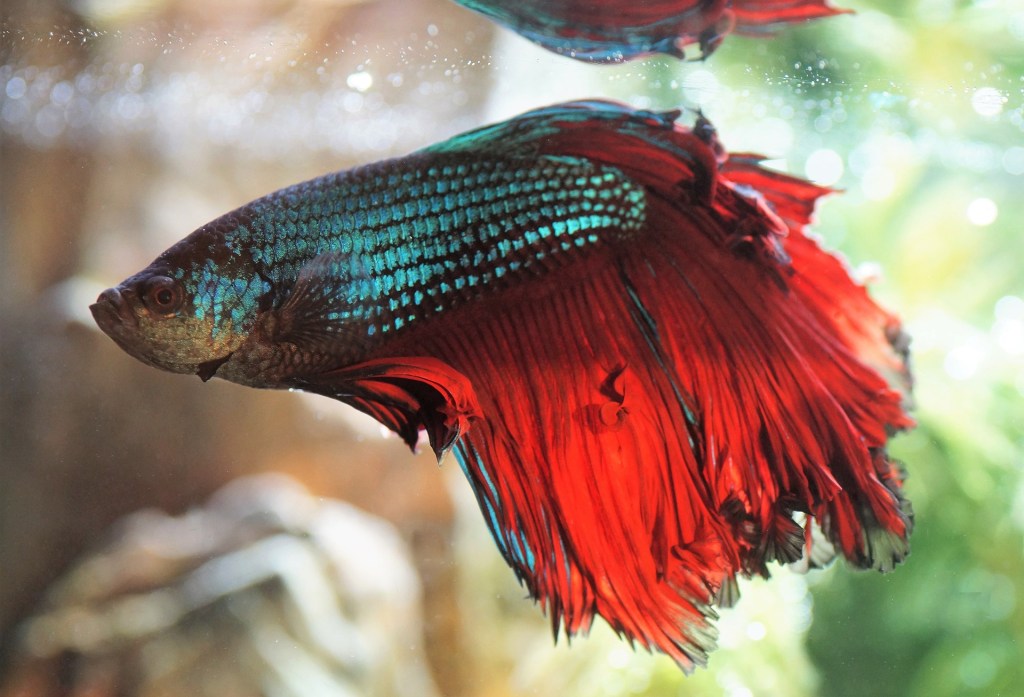
How Often Should You Feed Your Betta Fish?
Betta fish should generally be fed twice a day. Feeding them smaller, more frequent meals mimics their natural feeding habits in the wild and helps with digestion. Large, infrequent meals can overwhelm their digestive system, while frequent small meals are more easily processed.
Here is an essential guide for feeding betta fish:
- Feed twice daily: Offer food once in the morning and once in the evening, spaced about 10-12 hours apart. This allows your betta’s digestive system to rest and properly process the food.
- Portion control is key: Bettas have small stomachs, roughly the size of their eyes. Feed 2-4 pellets per meal, depending on the size of the pellet. Alternatively, you can substitute pellets with a small amount of freeze-dried or frozen food 1-2 times a week.
- Monitor their appetite: Bettas should eat all the food you provide within 2-3 minutes. If there is any leftover food, you are likely feeding too much, and this excess can cause water quality issues.
RELATED: Pet Fish Names Inspired by the Ocean
Why You Should Avoid Overfeeding
Overfeeding your betta can lead to several health and environmental issues:
- Digestive problems: Betta fish can develop digestive blockages or constipation if fed too much or if the food is not properly portioned.
- Obesity: Constant overfeeding can cause obesity, leading to a shorter lifespan and various health problems.
- Water contamination: Leftover food that sinks to the bottom of the tank will decay, leading to ammonia buildup and poor water quality.
To prevent overfeeding, remove any uneaten food from the tank 5 minutes after feeding to maintain the cleanliness of the water.
What to Feed Your Betta: Types of Food
When setting up a feeding schedule, it’s important to vary the types of food to ensure your betta gets all the necessary nutrients:
- Betta-specific pellets: These should make up the bulk of your betta’s diet. They are formulated to provide the right balance of protein and nutrients.
- Freeze-dried or frozen treats: Foods like brine shrimp, daphnia, and bloodworms are great sources of protein but should be given as a treat 1-2 times a week.
- Live food: Occasionally, you can offer live food like mosquito larvae or brine shrimp, which adds excitement and enrichment to your betta’s life. However, live food can introduce parasites, so it’s essential to source it from a reliable provider.
Should You Fast Your Betta Fish?
Many betta owners fast their fish once a week to aid digestion and prevent constipation. By not feeding your betta for one day, you give its digestive system time to rest and clear out any blockages. Fasting is not harmful when done once a week and can help promote long-term health.
Feeding During Breeding or Illness
If your betta is breeding or recovering from illness, its feeding needs will change. Breeding bettas, especially females, need more energy and a higher protein intake, so you might increase feeding to 3 times a day. If your fish is sick, consult a veterinarian for proper feeding advice, as certain illnesses may require dietary adjustments.
How Long Can a Betta Fish Go Without Food?
Bettas can survive up to 10-14 days without food in extreme circumstances, such as vacations. However, this is not recommended, as it can weaken their immune systems and cause stress. If you plan to be away for more than a couple of days, it’s best to arrange for someone to feed your fish or invest in an automatic feeder.
RELATED: Fish Names for Your Aquatic Friends
Creating a Balanced Feeding Routine for Your Betta
To ensure your betta fish remains healthy and vibrant, follow a regular feeding schedule that involves feeding them twice a day with proper portion control. Include high-quality pellets in their daily meals and supplement their diet with protein-rich treats like freeze-dried or frozen foods once or twice a week. Avoid overfeeding, fast your betta once a week, and always clean up leftover food to maintain optimal water quality. By following these guidelines, you can keep your betta happy, healthy, and energetic.
Disclaimer: Some of the links in this article are affiliate links, meaning we may earn a small commission if you make a purchase through them. This comes at no additional cost to you and helps support Pawfect Journey. Thank you for helping us keep the journey going!
Author

Shopping for your pet on Amazon? New members can sign up for a free trial of Prime for fast free shipping and member-only deals, and cancel anytime.
Sign Up for a Free Trial of Prime