PRIME BIG DEAL DAYS IS OCTOBER 6 TO 7
Prime members get the sale prices, plus fast free shipping on food, litter, and pet gear. New to Prime? Try it free.
Start Your Free Prime TrialSetting up an aquarium for the first time is exciting, but getting everything right is essential to providing a healthy habitat for your fish. A well-balanced aquarium not only enhances the beauty of your space but also provides your new aquatic pets with a safe and thriving habitat. From choosing the right tank size to understanding filtration, this guide covers the essential components and tips you need to create a perfect underwater world.
Choosing the Right Aquarium
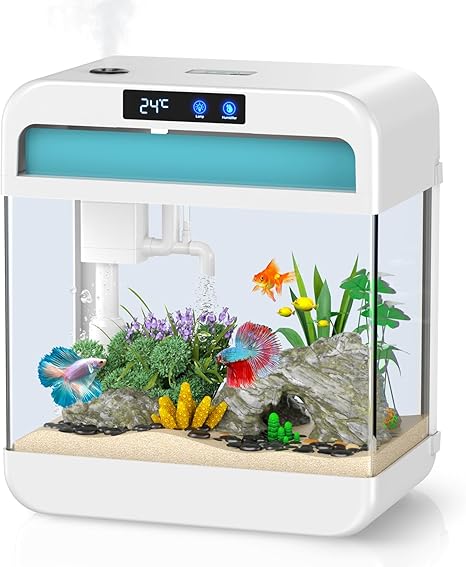
When it comes to choosing an aquarium, size is a critical factor. A larger tank offers more stability and room for your fish to swim freely, reducing overcrowding risk. A 20-gallon tank is a great starting point for beginners, providing a manageable size without compromising the fish’s well-being.
Glass aquariums are durable and scratch-resistant, making them the go-to choice for many hobbyists. On the other hand, acrylic tanks are lighter and less prone to breaking, though they may scratch more easily. If children are around, acrylic can be a safer option.
RELATED: How Do Betta Fish Sleep? Discover the Facts About Their Sleeping Habits
Selecting a Strong Stand

A filled aquarium is heavy; a proper stand is essential to support that weight. Avoid regular furniture, which may not hold up under the load. Choose a stand specifically designed for aquariums, or build one if you’re handy with tools. Be mindful that most aquarium warranties are void if the tank is placed on an inadequate stand, so this is not the place to cut corners.
Lids and Lighting: Protecting Your Tank and Enhancing Appearance

A lid or hood is more than just an accessory for your aquarium. It helps to prevent fish from jumping out, reduces evaporation, and keeps moisture away from your light fixture. Many tanks have a combined hood and light unit, but lights can also be purchased separately. LED lights are the top choice for modern aquariums due to their energy efficiency and low heat output, helping to maintain a stable water temperature.
Installing the Right Filtration System
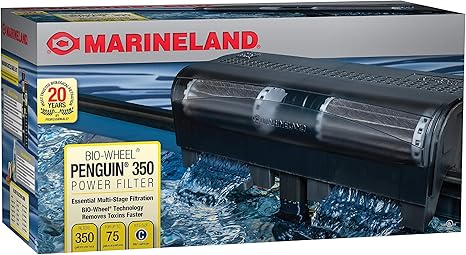
Proper filtration is essential to preserve water quality and keep your fish healthy. A power filter with a bio-wheel is ideal for beginners, as it’s easy to use and keeps the water clean by processing harmful chemicals. When choosing a filter, ensure the flow rate is appropriate for your tank size. Ideally, the filter should cycle the entire tank’s water at least four times an hour.
RELATED: Pet Fish Names Inspired by the Ocean
Heating: Maintaining a Stable Water Temperature
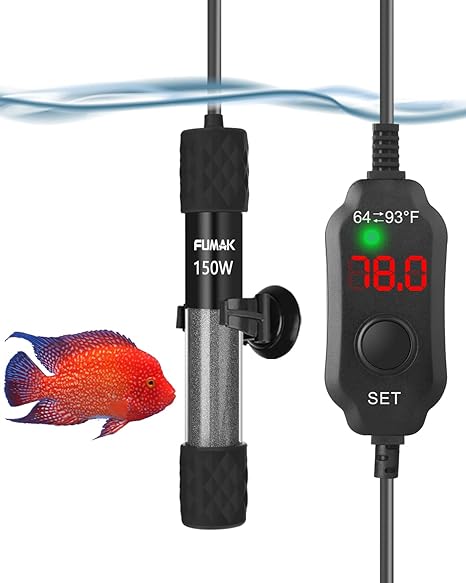
Tropical fish thrive in warmer waters, typically between 74°F and 77°F, so a heater is often necessary to keep the temperature steady. A submersible heater with a numerical setting allows for precise control, which is ideal for keeping the temperature steady. If you have a larger tank (over 40 gallons), consider using two smaller heaters, one at each end of the tank, to ensure even heat distribution.
Thermometer: Monitoring Water Temperature

An accurate thermometer is essential for maintaining the right temperature in your tank. Stick-on thermometers are an easy-to-read and affordable option. However, an in-water thermometer can offer more accuracy if you plan to breed fish or have more sensitive species.
Substrate: Creating the Perfect Tank Bottom

The substrate you choose will form the base of your aquarium, influencing not just aesthetics but also the comfort and well-being of your fish. Smooth, dark-colored gravel is typically recommended for beginners, as it’s easy to clean and provides a neutral environment. Sand is another option but may require more upkeep. Ensure you rinse any substrate before placing it into your tank to avoid clouding the water.
Decorations and Plants: Enhancing Your Aquarium’s Environment

Decorating your aquarium is where you can get creative, but it’s also essential for your fish’s comfort. Fish like to hide, especially when resting, so adding caves, rocks, or other structures can help them feel secure. Live plants enhance the visual appeal of your tank and improve water quality by absorbing carbon dioxide and providing oxygen. For beginners, hardy plants like Java ferns or plastic alternatives work well if you’re not ready to manage live greenery.
Maintenance Essentials: Keeping Your Aquarium Healthy
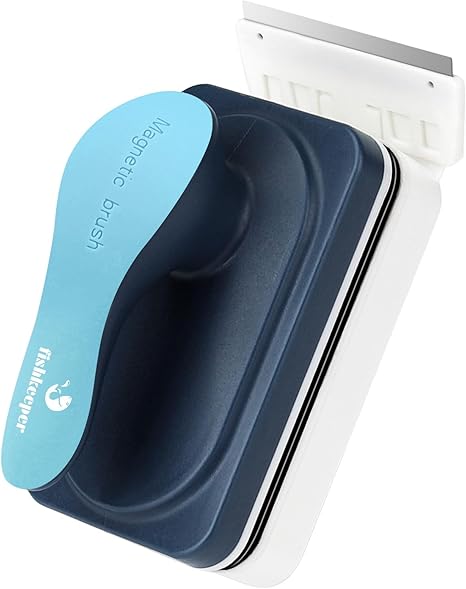
Regular maintenance is critical to ensuring your aquarium remains a healthy environment. This includes water changes, cleaning the substrate with a siphon, and using a water conditioner to remove harmful chemicals like chlorine. Testing the water regularly for ammonia, nitrite, and pH levels ensures your fish live optimally. An algae scrubber will help manage unwanted algae growth on the tank’s walls, keeping the glass clear.
Creating a Successful Aquarium
Setting up your first aquarium is a fulfilling process that requires careful planning and the right equipment. By following these essential steps and taking the time to understand your fish’s needs, you’ll be well on your way to creating a vibrant, healthy aquatic environment. With regular maintenance and attention, your aquarium will flourish, providing beauty and a safe habitat for your fish.
Disclaimer: Some of the links in this article are affiliate links, meaning we may earn a small commission if you make a purchase through them. This comes at no additional cost to you and helps support Pawfect Journey. Thank you for helping us keep the journey going!
Author

Shopping for your pet on Amazon? New members can sign up for a free trial of Prime for fast free shipping and member-only deals, and cancel anytime.
Sign Up for a Free Trial of Prime