PRIME BIG DEAL DAYS IS OCTOBER 6 TO 7
Prime members get the sale prices, plus fast free shipping on food, litter, and pet gear. New to Prime? Try it free.
Start Your Free Prime TrialWhen setting up a cozy home for your hamster, choosing the right bedding is essential for your pet’s comfort, health, and happiness. The bedding you pick provides a soft surface to rest on and allows your hamster to burrow and engage in natural behaviors. With many options available, it’s important to understand the best and worst bedding choices to ensure your pet stays safe. This hamster bedding guide will walk you through the top options and materials to avoid, helping you create the perfect habitat for your furry friend.
Why Bedding is Crucial for Your Hamster’s Health
In the wild, hamsters create deep, complex burrows to sleep, hide, and regulate their body temperature. Providing similar bedding in their cage will encourage these natural burrowing instincts, making your hamster feel secure and less stressed. The right bedding also absorbs moisture and controls odors, keeping the cage clean and your hamster healthy.
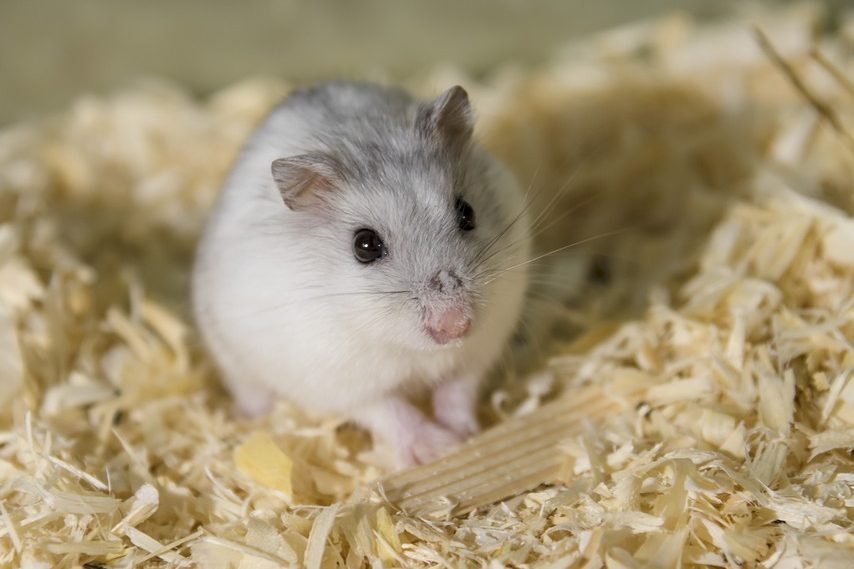
RELATED: Hamster Names with a Playful Twist
Best Hamster Bedding Materials
1. Paper-Based Bedding (Carefresh, Kaytee, etc.)
Paper-based bedding is one of the safest and most popular choices for hamster owners. It’s soft, absorbent, and ideal for burrowing. These beddings come in various colors, which is perfect if you want to create a fun, colorful environment for your hamster’s cage. However, it can compact over time, so remember to fluff it up regularly.
Pros:
- Soft and comfortable for your hamster
- Perfect for burrowing and nesting
- Available in multiple colors
Cons:
- More expensive than wood shavings
- Requires occasional fluffing for maximum comfort
2. Aspen Shavings
Aspen is the only safe wood-based bedding option for hamsters. It’s great for controlling odors and is budget-friendly. While it may stick to the fur of long-haired hamsters, it doesn’t cause harm, and regular brushing can solve this minor issue.
Pros:
- Affordable and safe
- Good at absorbing odors
Cons:
- May stick to long-haired hamsters’ fur
- It can be a bit messier than paper-based bedding
3. Hemp Bedding
Hemp bedding is a natural, eco-friendly option that is becoming increasingly popular. It is dust-free, absorbent, and excellent for hamsters that love to burrow.
Pros:
- Dust-free and safe for hamsters
- Highly absorbent and long-lasting
Cons:
- It can be more expensive and harder to find
4. Timothy Hay
Timothy hay is a dual-purpose bedding that provides both a cozy nest material and a healthy snack for your hamster. It’s absorbent and allows for burrowing, but it’s best for maximum comfort when combined with another bedding type.
Pros:
- Great for burrowing and nesting
- Acts as a food source
Cons:
- Not as absorbent as other bedding
- May be difficult to source locally
5. Soft Granule Blend
This type of bedding is made from recycled materials and is safe for hamsters, though it may not hold tunnels as well. You can mix it with paper bedding or aspen to create a more stable burrow for your pet.
Pros:
- Eco-friendly and safe for hamsters
- Soft and comfortable
Cons:
- Tunnels may collapse without support from other bedding
What Are The Worst Hamster Bedding Materials?
1. Pine and Cedar Shavings
Although widely available, pine and cedar shavings are harmful to hamsters. The strong scent and oils released by these woods can cause respiratory problems and irritation.
Why Avoid:
- Can cause respiratory issues
- Risk of allergic reactions and irritation
2. Scented Bedding
While scented bedding may seem like a good way to manage odors, the strong fragrances can overwhelm a hamster’s sensitive nose and lead to health problems.
Why Avoid:
- Can cause respiratory issues
- Overpowering scent for hamsters
3. Fluffy Bedding
Fluffy bedding might look soft and appealing, but it’s made from artificial fibers that can cause blockages in your hamster’s digestive system if ingested. It can also get tangled around your hamster, leading to injuries.
Why Avoid:
- Risk of intestinal blockages if ingested
- Hamsters can get caught and injured in the fibers
4. Cat Litter
Cat litter is designed for odor control but is too rough for hamsters. Your hamster might try to eat or pouch it, leading to health risks.
Why Avoid:
- Too harsh for a hamster’s delicate skin
- Risk of ingestion and health complications
How Deep Should Hamster Bedding Be?
To replicate a hamster’s natural habitat, the deeper the bedding, the better. Ideally, aim for at least 6 inches, but providing up to 10 inches of bedding is even better for creating deep burrows. Deeper bedding helps your hamster feel safe and gives them plenty of room to dig.
Final Tips for Choosing Hamster Bedding
- Spot Clean Regularly: Remove any soiled bedding to keep the cage fresh and prevent odors.
- Mix Textures: Mixing paper and aspen shavings can help support tunnels and create a more enriching environment.
- Deep Bedding: Ensure you provide enough depth for your hamster to burrow freely and feel safe.
Choosing the right bedding for your hamster will create a comfortable, safe, and enriching home for your pet. Stick to safe options like paper-based or aspen bedding, avoid toxic materials like pine and cedar, and remember to provide plenty of depth for burrowing. A happy hamster is one with a cozy, clean space to explore and nest in!
Disclaimer: Some of the links in this article are affiliate links, meaning we may earn a small commission if you make a purchase through them. This comes at no additional cost to you and helps support Pawfect Journey. Thank you for helping us keep the journey going!
Author

Shopping for your pet on Amazon? New members can sign up for a free trial of Prime for fast free shipping and member-only deals, and cancel anytime.
Sign Up for a Free Trial of Prime